Prices are estimates from typical local jobs and vary by home.
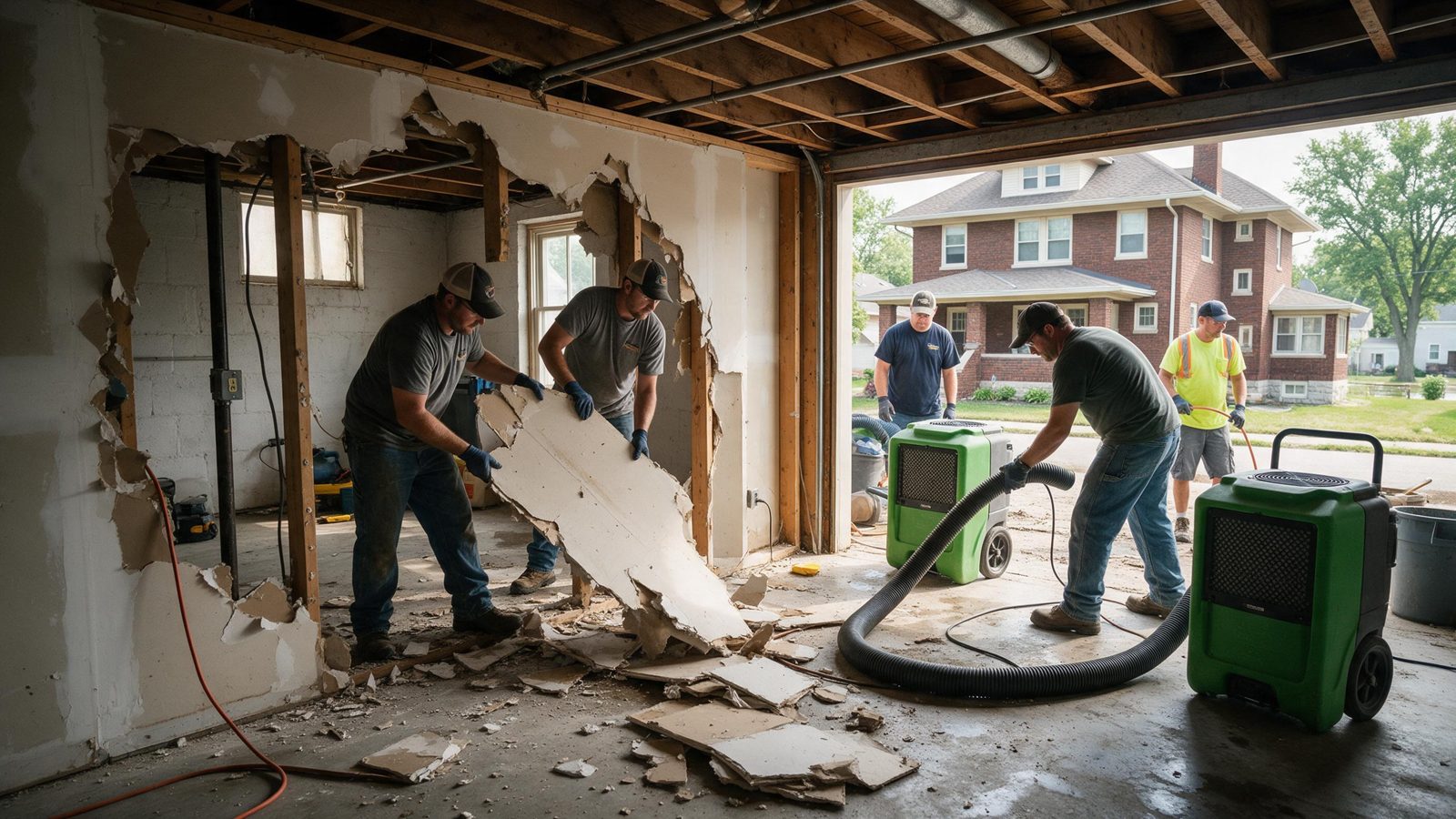
When the Cedar River rises or a spring storm overwhelms the storm sewers, water finds the lowest room in the house first. We connect Cedar Rapids homeowners with local crews who pump it out, dry it properly and put the space back together.
Call Get a free quote ShopCedar Rapids knows floods better than most cities. The 2008 crest reshaped whole neighborhoods, and even ordinary years bring heavy June rain, saturated clay soil and basements that take on water through floor cracks, window wells and floor drains. Standing water is only the visible part of the problem. Moisture wicks up drywall, soaks into carpet pad, swells subfloors and settles into the bottom plates of framed walls, where it can feed mold within a couple of days.
Homeowners in the 52404 ZIP code and the rest of the city can use this service to reach flood repair crews for the full job or just one piece of it. Some people need water extracted tonight. Others already pumped the basement and now need moisture readings, wet drywall cut out, or a contractor to rebuild a finished family room. The right plan depends on how long the water sat, where it came from and what materials it touched.
Where the water came from matters. Clean water from a burst supply line is handled differently from river water or sewer backup, which can carry bacteria and calls for removing porous materials rather than drying them. Tell the crew what you know about the source, how deep the water got and how long it stood. Photos taken before you start moving things help both the contractor and your insurance adjuster.
A good flood repair proposal separates the emergency work, such as extraction, drying equipment and demolition, from the rebuild. Ask how many days the drying equipment will run, how dryness will be confirmed before walls are closed, and which items are being discarded versus cleaned. Clear notes make it easier to compare bids and line them up with your flood or homeowners policy.

Truck-mounted and portable pumps remove standing water from basements, crawl spaces and lower levels. A crew can also pull soaked carpet and pad so drying can start right away. If water is still coming in, mention it so they can plan for a pump that runs until the source is under control.
Commercial dehumidifiers and air movers draw moisture out of framing, subfloors and concrete. A pro takes moisture readings each day and adjusts the setup until materials return to normal levels. Closing walls before that point can trap moisture and lead to odor or mold later.
When water sits more than a day or two, mold can start on drywall paper, wood and carpet backing. A local crew can look for growth, remove affected materials and clean framing. For larger areas, ask whether containment and air scrubbing are part of the plan.
After the space is dry, a contractor can hang and finish new drywall, replace baseboard and trim, and install flooring suited to a basement, such as luxury vinyl plank that tolerates moisture better than carpet or solid wood.
Sewer or storm water backup needs sanitizing and usually means removing porous items it touched. A pro can clean and disinfect the area and talk with you about a backflow valve so the same drain does not cause trouble in the next storm.
Many repeat basement floods trace back to a failed sump pump, a missing battery backup or downspouts dumping water next to the foundation. A crew can replace pumps, add a backup and extend downspouts so the next heavy rain stays outside.
This site is only for flood repair in Cedar Rapids, IA and nearby towns. We connect you with a pro who works in the area.
Share your town, what you need and how soon. There is no cost to ask and no obligation.
The costs, steps and questions on this page are general guides, so you know what to ask before you hire.
Ask any pro for a written estimate that lists the work, materials and timeline before the job starts.
Shut off power to a flooded basement at the breaker before stepping into the water, and stay out entirely if outlets or cords are submerged. Wear boots and gloves around river or sewer water.
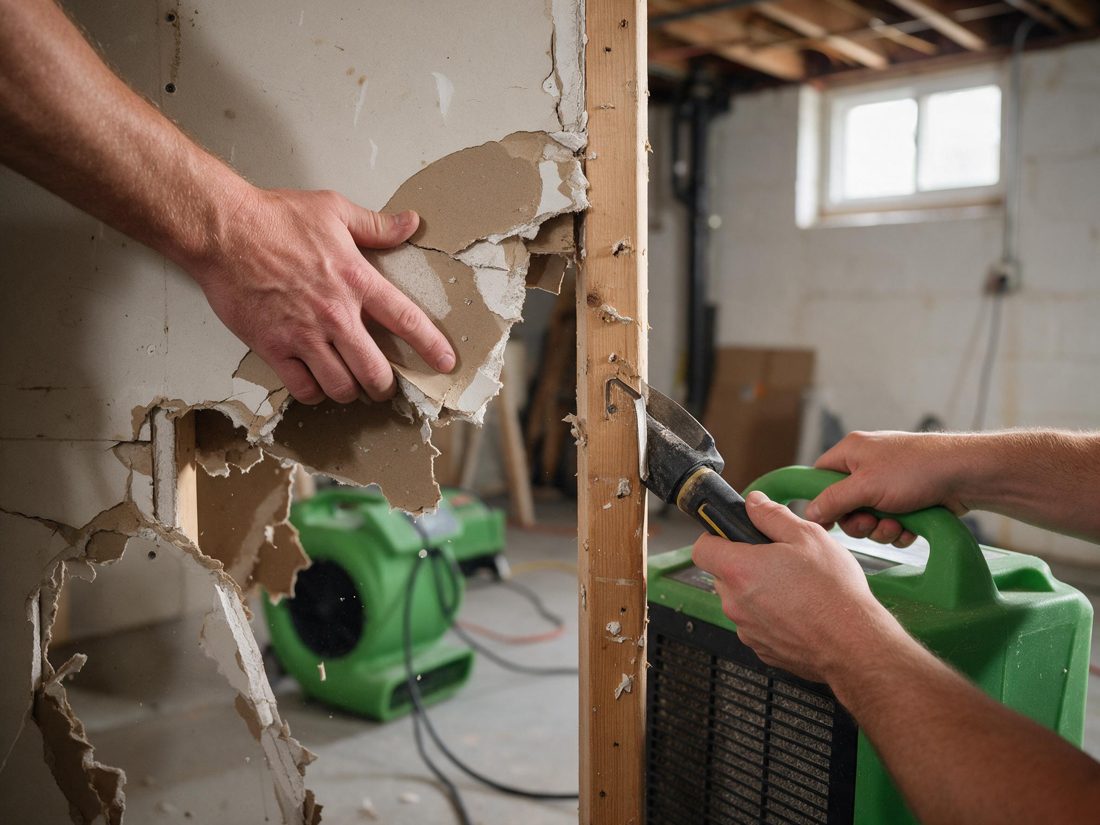
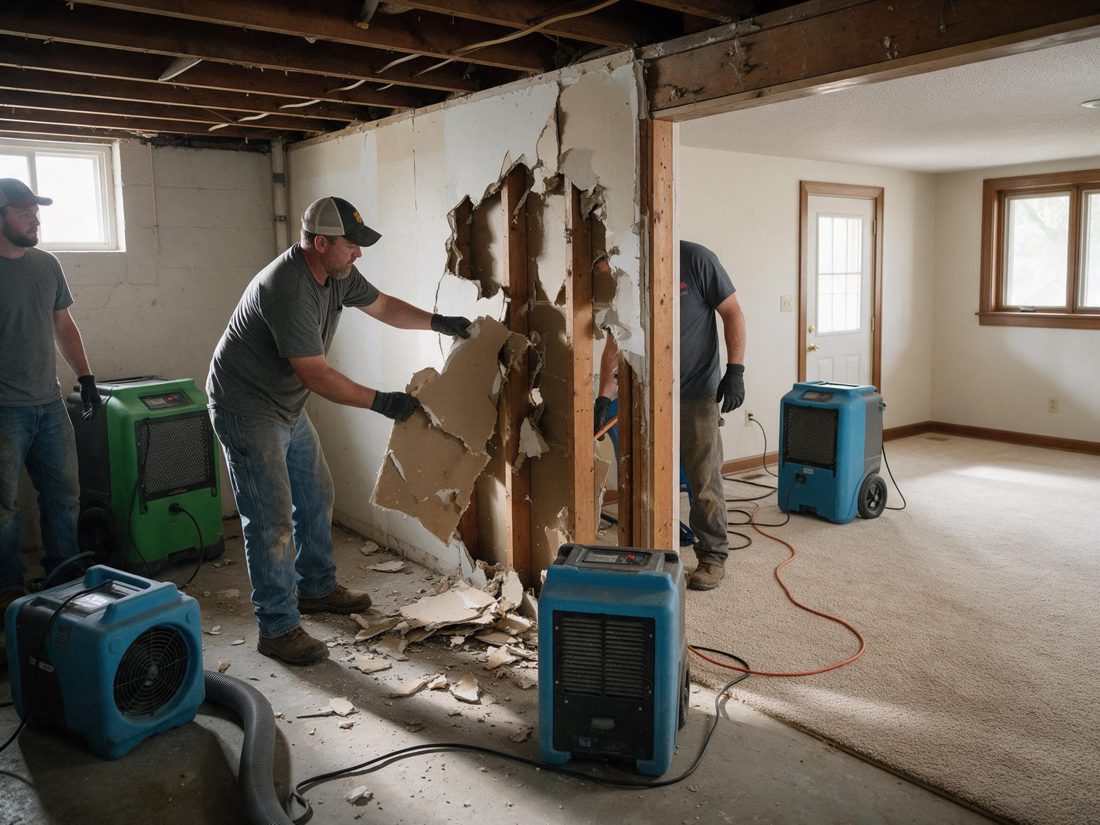
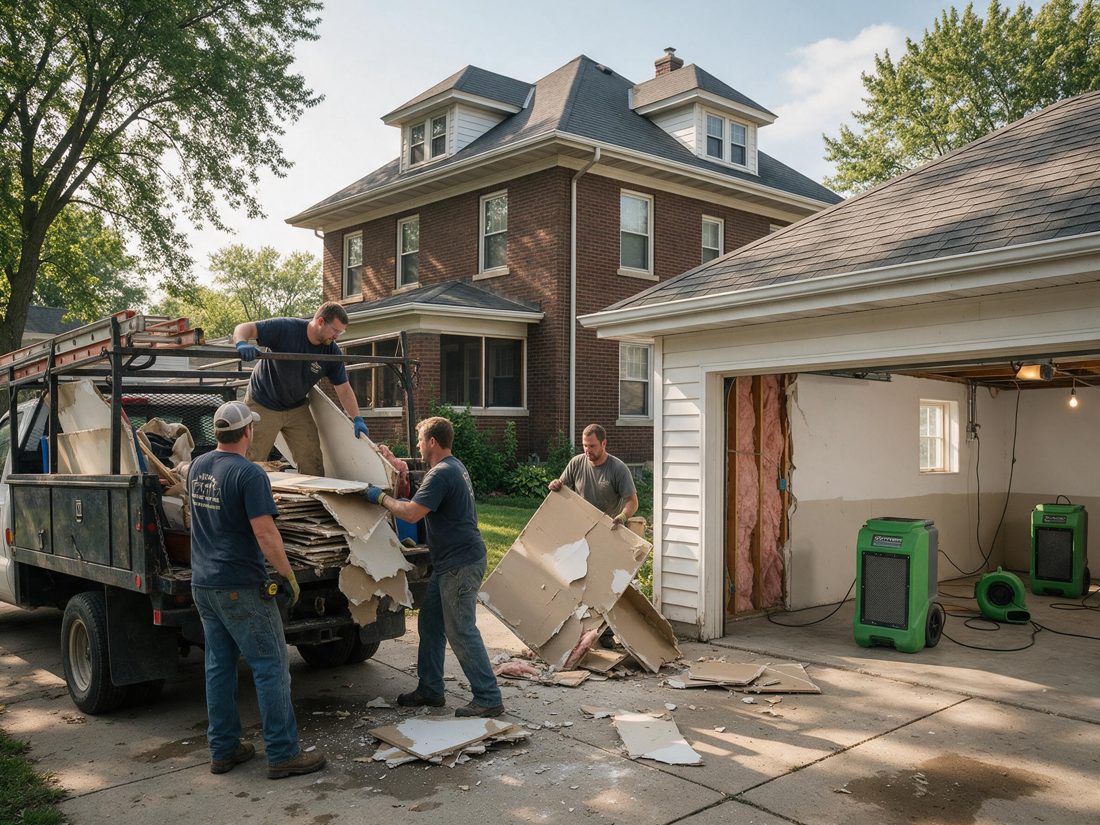
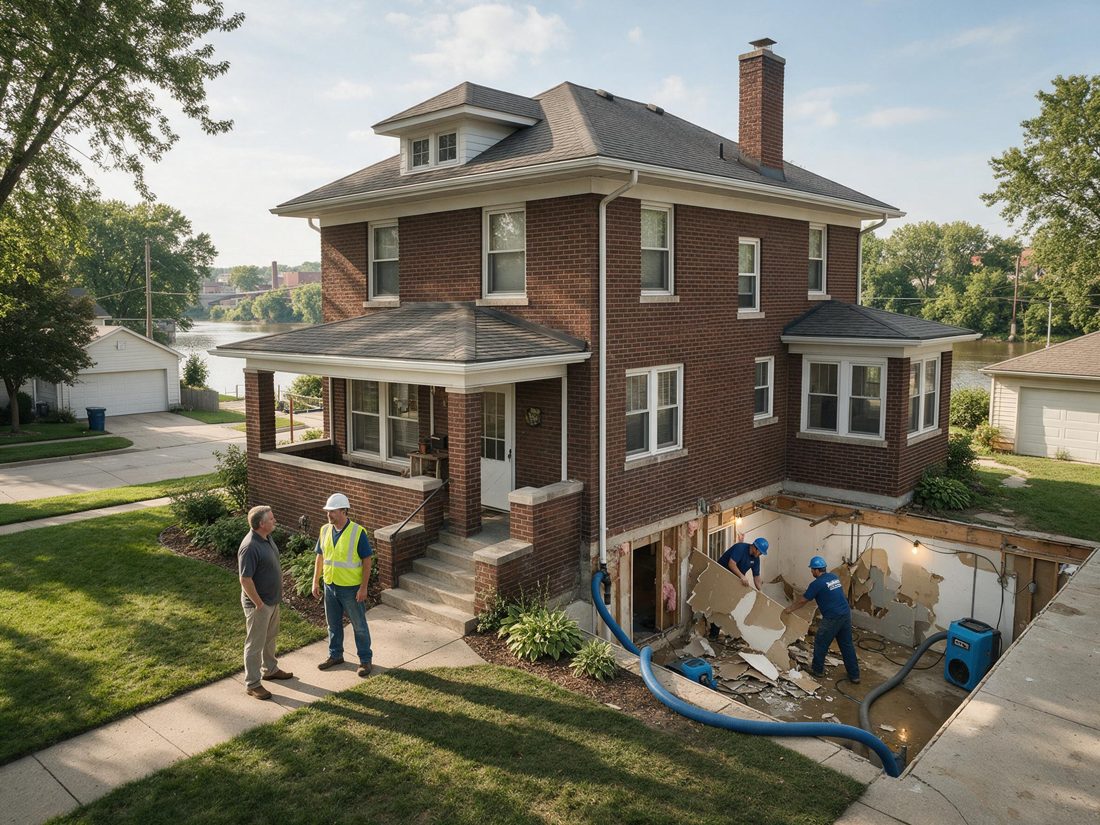
Water extraction and drying for a typical basement often runs $1,500 to $5,000, depending on square footage, how long the water stood and how many days the equipment needs to run. Removing wet drywall and carpet adds labor and disposal. Ask the crew to list equipment by the day so you can see how the price builds.
Rebuilding a finished basement after a flood commonly lands between $15,000 and $40,000 for drywall, insulation, trim, doors and flooring. Choosing moisture-tolerant materials, such as vinyl plank and closed-cell insulation, can raise the upfront cost a little while lowering the damage from a future event.
Standard homeowners policies usually do not cover river flooding or groundwater, which falls under separate flood insurance. Sewer backup coverage is often an optional rider. A contractor can document damage and prepare an estimate, but your insurer decides what is covered, so read your policy and keep copies of every estimate, photo and receipt.
Before the next storm season, walk the outside of the house. Downspouts should discharge several feet from the foundation, soil should slope away from the walls and window well covers should be in place. Test the sump pump by pouring a bucket of water into the pit and listening for it to kick on. If it is more than about ten years old, ask about replacing it before it fails during a downpour.
If the river is forecast to crest, move valuables, documents and electronics out of the basement early, and raise furniture onto blocks. Know where your main breaker and water shutoff are. Take a quick video walkthrough of the basement and its contents now, since a record of what you owned makes a claim much easier later.
After a flood, act within the first day if you can. Open windows when the outside air is drier than inside, run fans, and move wet rugs and boxes out. Do not run a household vacuum on standing water and avoid using HVAC equipment that took on water until it is checked. Even when the floor looks dry, framing and drywall can still be holding moisture.
When comparing bids, make sure each one covers the same drying time, demolition and rebuild items. Ask whether the crew will provide moisture logs, how they handle contents and whether they will work directly with your adjuster. Homes in older neighborhoods like Czech Village, Time Check and Oakhill Jackson may have stone or block foundations, so mention your foundation type early.
Local crews often work in Marion, Hiawatha, Robins, Ely, Palo and Fairfax too. Share your address and project details to see if a pro serves your location.
In June 2008 the Cedar River crested at more than 31 feet in Cedar Rapids, far above any earlier record, and flooded roughly ten square miles of the city. Time Check, Czech Village, the NewBo area, Oak Hill Jackson and much of downtown sat under water. Thousands of homes were gutted to the studs, and many were later bought out and removed. Families who rebuilt learned that drywall, insulation and flooring were the easy part. Furnaces, water heaters, electrical panels and ductwork that sat in the water had to be replaced too.
In September 2016 the river rose again, and the city put up miles of temporary barriers and earthen levees ahead of the crest. Most neighborhoods stayed dry, but basements still took on water from seepage and overloaded storm sewers. Four years later the August 2020 derecho brought a different problem: torn roofs and siding that let rain into houses that had never flooded from the river at all. Flood repair here means river water, groundwater, sewer backup and storm-driven rain, often in the same house.
If your basement has flooded once, plan the rebuild as if it could happen again. Ask about raising the furnace, water heater and washer and dryer onto platforms, or moving them upstairs where that is practical. Have an electrician consider moving outlets and switches higher on basement walls. Use materials that can get wet and be cleaned: tile or vinyl plank instead of carpet, closed-cell foam or rigid foam instead of fiberglass batts, and trim made of PVC instead of wood.
Check whether your property sits in a mapped flood zone using FEMA's Flood Map Service Center. Homes in the floodplain that are substantially damaged face extra rules when they are rebuilt, and the City of Cedar Rapids can tell you what applies before you pull permits. Flood insurance through the National Flood Insurance Program usually has a 30-day waiting period, so buy it well before the spring melt, not when the river is already rising.
Keep a go-bag and a small kit ready during flood season: flashlights, a battery radio, boots, gloves and copies of your policy. DC, who has lived through 5 hurricanes and 35 tornadoes, lists the gear he trusts in DC's Storm & Survival Picks.
As soon as it is safe. Mold can begin growing on wet materials within 24 to 48 hours, so getting water out and drying started the same day limits how much has to be torn out later.
Drywall touched by clean water for a short time can sometimes be dried in place. Drywall soaked by river or sewer water, or wet for more than a day or two, is usually cut out a couple of feet above the waterline and replaced.
It depends on the cause. A burst pipe is often covered, while river flooding and groundwater usually need separate flood insurance. Sewer backup is often a rider. Check your policy and talk with your insurer.
Most basements take three to five days with commercial equipment, though concrete and thick framing can take longer. A pro should confirm with moisture readings rather than going by feel.
If water came up through a floor drain during a storm, a backflow valve can help keep sewer water from reversing into the house. A plumber can tell you whether your line is a good candidate.
Tell us where the home is, what you are seeing and how soon you need help. We can connect you with a nearby pro in the Cedar Rapids area to talk through the job and next steps.
No obligation and no pressure.
Official government and National Weather Service pages. Follow local officials during evacuations.